
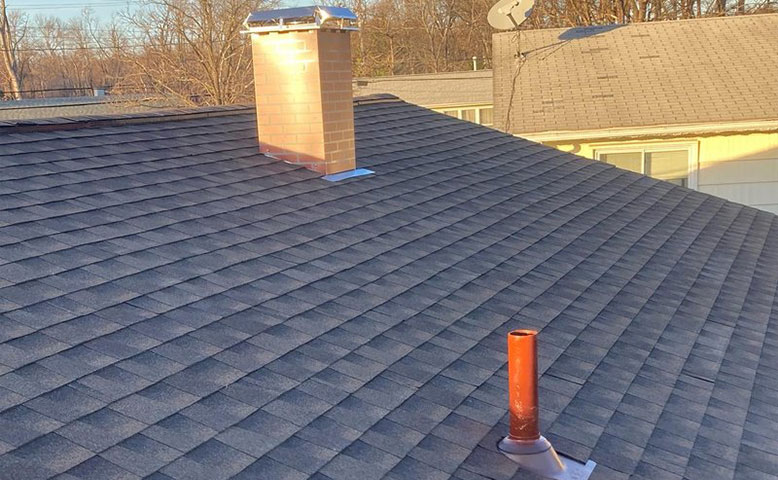
A roof protects the people and things you love. Yet minor roof problems can grow fast. Because of this, early checks are crucial. With simple steps, you can spot issues before they spread. Then you can plan a smart fix and avoid big bills. This article uses plain language and offers clear, concise tips. It explains what to look for and why it matters. It also shares safe ways to check from the ground or attic. As you read, think “What’s in it for me?” The answer is peace of mind, a dry home, and fewer surprises. So, let’s walk through the early signs of roof damage and what they mean for you.
Missing, Cracked, Or Curling Shingles
Shingles are your first shield. When they curl, crack, or go missing, water finds a path. Look down from above with binoculars if you have them. Then scan for bare spots or uneven lines. Curled edges can lift in the wind, inviting leaks. Cracks open during temperature fluctuations. Missing shingles expose the underlayment to rain and sun. That speeds wear and raises risk.
Moreover, check for dark patches where granules are thin. Those thin spots may age faster. After storms, compare both sides of the roof. Wind often hits one side harder. Also, note any shiny nail heads. Exposed nails can rust and leak. Early action keeps the problem small. So, set a reminder to look every spring and fall. Minor shingle issues are simple to fix when found early.
Granules In Gutters And Downspouts
Asphalt shingles shed tiny granules over time. However, a sudden surge in granules signals trouble. During gutter cleaning, check the debris. If it resembles coarse black sand, your shingles may be aging rapidly. A heavy loss indicates that the protective surface is wearing thin. That can shorten the roof’s life.
Look for these clues:
- Dark, sand-like grit in gutters or at downspout ends.
- Bald spots on shingles where the color looks patchy.
- Granule piles on patios after heavy rain.
Why it matters: granules block sun damage and protect from hail. Without them, shingles heat up and crack. Consequently, leaks become more likely. So, keep gutters clear and watch for changes after storms. If granule loss continues to rise, plan a closer roof inspection. Early planning helps you budget and avoid water stains inside.
Stains On Ceilings And Walls: Silent Drip Alerts
Indoor stains often tell a roof story. Brown rings on ceilings point to moisture. Water may seep in through a vent, nail hole, or flashing gap. Then it runs along framing and appears far from the source. Because of that, stains may show up in rooms away. Watch for peeling paint, sagging drywall, or a musty smell. Each sign hints at ongoing moisture.
Now, take note of when the stain appears. Does it expand after heavy rain? Does it fade in dry weeks? Track the pattern to help pinpoint the source of the leak. Also, check the attic for damp insulation or dark wood. Wet spots need air flow to dry. Otherwise, mold may grow. Quick action protects your health and the value of your home. Remember, stains are symptoms. The roof still needs attention at the source.
Flashing And Sealants: Small Joints, Big Jobs
Flashing guards the tricky spots: chimneys, valleys, vents, and skylights. When flashing bends, rusts, or pulls away, water slips in. Sealants also dry out and crack with the sun and temperature swings. Therefore, watch these areas closely during a basic roof inspection.
Check the usual suspects:
- Chimney edges for gaps or loose mortar.
- Valleys for lifted metal or debris traps.
- Vents and skylights for cracked seals or warped boots.
“Leaks rarely start in wide open spaces; they start at joints and edges.”
A gentle reminder: use binoculars or a camera zoom from the ground. Safety comes first. If you must use a ladder, keep three points of contact. Also, avoid stepping on fragile flashing. Bent metal can create new leaks. Regular checks here prevent surprise drips and costly drywall repairs later.
Attic Clues: Heat, Moisture, And Daylight
Attics reveal roof trouble before the living room does. Because air rises, warm, moist air collects here. That mix can fog nails, stain wood, and feed mold. So, take a flashlight and a mask. Then look and listen.
What to look for
Search for damp insulation, dark streaks on rafters, and rusty nail tips. Also, scan for daylight peeking through gaps. Small pinholes let in both light and water. Next, feel for airflow near the soffit and ridge vents. Stale air raises humidity and shortens roof life.
Why it matters
Moisture weakens wood and invites pests. Hot, trapped air cooks shingles from below. Good attic ventilation guards both the roof and energy bills. Therefore, note what you see and set a plan. Attic clues help you act before stains and smells reach your living space.
Sagging, Soft Spots, And Roofline Changes
A healthy roof looks straight and even. Thus, sagging waves or dips deserve attention. Soft spots can mean the decking got wet and weakened. From the ground, sight along the roofline at sunset. Low light shows shadows and curves. Also, check soffits and fascia for bowing or rot. These edges reveal hidden moisture.
“Structure speaks in lines; when lines bend, something behind them is failing.”
If you feel spongy areas while cleaning gutters, step off the ladder. Softness suggests trapped water or old leaks. For your safety, avoid walking in suspicious areas. Instead, note the location and take photos. Then watch the spot after the rain. If the shape changes, plan an expert review. Early detection protects both framing and interior finishes.
After-Storm Checklist: Wind, Hail, And Heavy Rain
Storms speed up wear and expose weak points. Therefore, use a simple checklist after strong weather. Start with the yard. Fallen branches often mean roof impact. Then scan the roof from the ground. Look for fresh shiny spots, torn edges, or scattered shingles. Finally, check the attic and ceilings for new drips.
| After-Storm Check | What to Look For | Why It Matters |
| Yard and Gutters | Branches, shingle pieces, granule piles | Suggest roof impact or shingle loss |
| Shingles | Tears, lifted edges, missing tabs | Wind can break seals and let water in |
| Flashing | Bent metal, loose seals | Water enters at the edges and joints |
| Attic | Damp insulation, new stains | Early leak warning before ceiling damage |
| Ceilings | Fresh rings or peeling paint | Confirms moisture reached living spaces |
Timely checks reduce stress and help you plan repairs with confidence.
Routine Roof Maintenance: Small Habits, Big Returns
A few steady habits keep problems small. Routine care supports roof performance and your budget. Moreover, it gives you control. Here are simple steps that fit busy lives:
- Look twice a year. Check in spring and fall for changes.
- Trim branches. Keep limbs from rubbing shingles in the wind.
- Clean gutters. Clear leaves so water flows away.
- Watch seals. Note cracks around vents and skylights.
- Log photos. Keep before-and-after shots after storms.
Although this article is not a sales pitch, some tasks need trained hands. Safety and warranty rules matter. When the signs suggest deeper issues, choose help you trust. For friendly guidance and solid roofing solutions, speak with Cruz Brother’s Construction. Our team handles inspections, repairs, and roof care plans that fit real homes and real budgets. With a thorough checklist and the proper support, your roof can last longer and worry-free.